
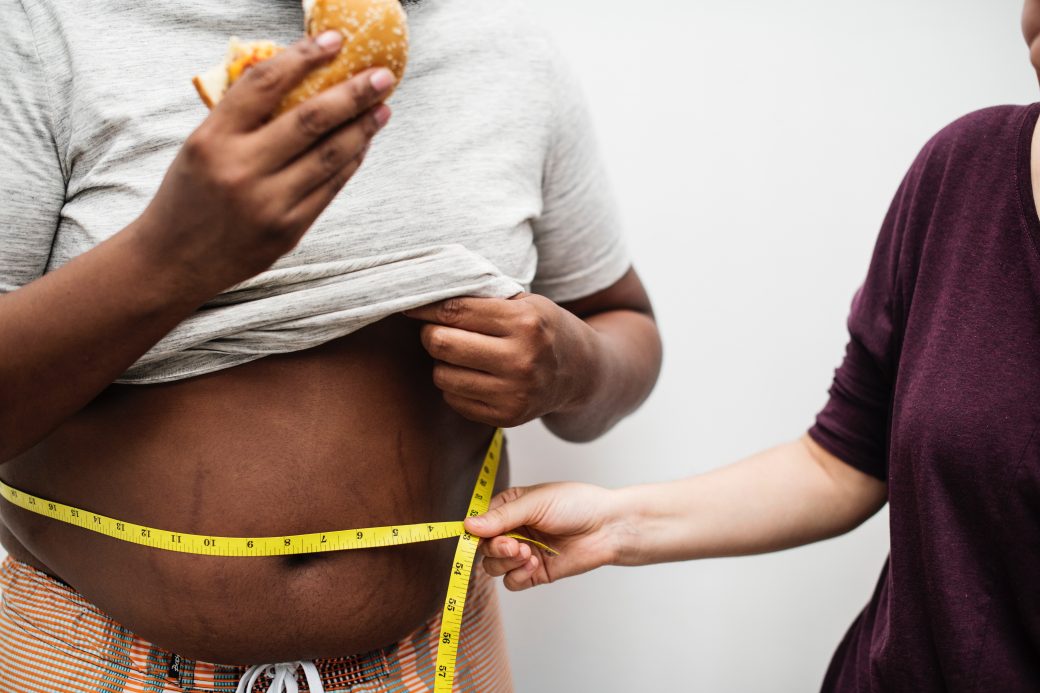
UK Kids the most Obese – A recent study has named the UK as home to some of Europe’s most overweight children – and also the country where they are most likely to die from a long-standing illness, including mental health problems.
If you’re a parent, carer, uncle or guardian, reading this sort of news can be distressing as nobody wants the children they love to grow up to be unhealthy, or with limited life prospects due to ill health.
But the reality is that children in the UK are roughly twice as likely to die from conditions such as asthma and obesity compared to the next European country surveyed, and that teenagers showed little interest in empowering activities, such as exercise. Young people in the UK are also amongst the most poverty-stricken from the countries sampled.
Why is this, when they live a country with the fifth largest economy in the world with numerous advantages in life?
Nigel Edwards, chief executive of the Nuffield Trust – originators of the report – offers some insight: “More than ever, young people are holding up their side of the bargain, with more of them choosing to smoke and drink less, yet our health system seems to be getting something badly wrong. I worry this reflects a dangerous complacency,”
“Young people in the UK are entering adulthood with more long-term health conditions and, as a result, a poorer quality of life, storing up problems further down the line.”
Mr Edwards highlights something we’ve long identified as a driving factor behind poor mental health in young people – the lack of services that really, genuinely help someone to overcome issues such as depression, anxiety, phobias and disorders.
The NHS do an amazing job in many areas but their adoption of treatments such as CBT and SSRI medication have proven to be ineffective at helping young people be mentally healthy. Treatments such as these are just a sticking plaster on what is often a complex collection of unhelpful beliefs, emotions, thoughts, anxieties and depressive behaviour that dominate a young person’s life.
It’s not surprising that poor mental health is on the increase in young people when you take this poor treatment track record into account, plus the other societal factors highlighted in the report.
And whilst there are undoubtedly some people suffering from physical problems and medication side-effects that lead to obesity, for a vast majority of people it’s a reflection of some degree of poor mental health. A lack of coping skills, for example, can lead to comfort eating – and poor self-control and low self-esteem can also lead to over-eating.
After all, nobody chooses to be overweight, do they? If you gave someone who’s fifty pounds overweight the chance to lose that fat straight away, almost everyone would take the offer because, deep down, they would like to be healthy.
Indeed, we are all familiar with the news stories about wondrous weight loss – usually in advance of a wedding or following a health scare – that demonstrate how nearly all of us are capable of not being obese, if we have the right mental health or motivation to follow through on a commitment to diet and exercise. UK Kids the most Obese…

So, the problem is this in a nutshell: if we haven’t taught people how to be mentally healthy enough to control their body weight as an adult – to really be the master of their emotions and behaviours – then how can we expect children to demonstrate these skills?
The answer is that we don’t expect them to demonstrate these skills because our education system has failed to teach them, so how could they understand how their mental health works in way that’s empowering. The statistics highlighted in the report are a damming indictment of this – how we have failed to equip our young people with the skills to thrive in life. The skills to be happy, healthy, free of obesity and in control of mental health.
If you know a young person suffering from poor mental health, what can you do to help?
Our specialist young person’s course has been used worldwide for several years with great success in helping children from about age eight to late teens overcome issues such as depression, anxiety, phobias and disorders. It’s the best go-to option for helping any young person, no matter their background or level of education, improve their mental health.
Available in book form or one-to-one with a Thrive Programme Coach®, the Thrive Programme course takes just a few weeks and is a highly effective way of teaching a young person how to be mentally healthy without the use of medication or therapy. Everything is easy-to-understand, straight-forward and backed by research and evidence.
Contact us today to learn more and sign up for a free initial consultation. UK Kids the most Obese
