
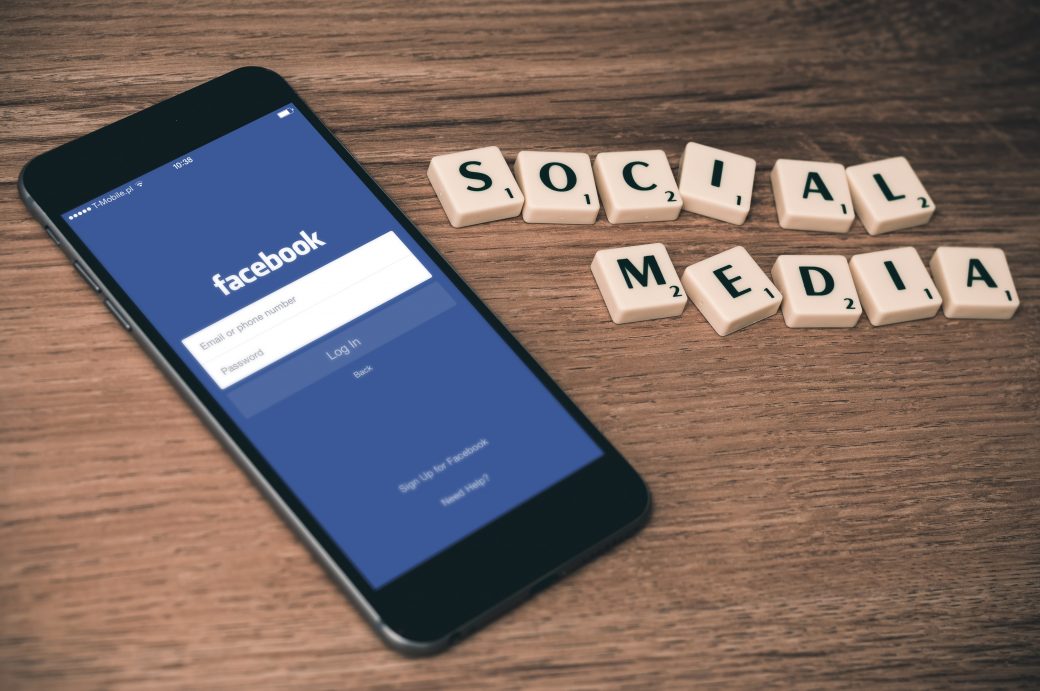
Social Media Mental Health – One of the fundamental changes in the way we talk about mental health in recent years has been the use of social media. Ten years ago, having a conversation about depression, anxiety or a phobia online – or anywhere else – would have been comparatively awkward and uncommon.
But, in 2020, there is a fundamentally different attitude to talking about mental health as celebrities and the population in general open up about their struggles with anxiety, depression and related issues. This is obviously a good thing – awareness, lessening of stigma and a more open approach to mental health means lots more people will seek help. However, there is an unhelpful aspect to this trend, and one that we’ve seen become increasingly common.
Lots of people suffering from a mental health issue feel helpless and let down by many of the treatment pathways currently available. The NHS are working their socks off to treat people but they’re poorly equipped to deal with lots of mental health issues. The combination of CBT and medication advocated by most GPs and NHS practitioners has a remarkably low rate of success. And when this intervention doesn’t work – despite being the go-to treatment – it adds to the feelings of helplessness and often marks the start of many years of poor mental health – it’s a story we see, sadly, on a regular basis.
So what has this got to do with social media? Well, this sense of helplessness fuels the belief that there is nothing that can be done to help them. Enter social media – a place to seek connection and build a community of like-minded people as a way of processing experiences in life. They gain comfort from conversing with others in the same situation, creating an echo chamber that confirms their belief that they’re stuck with this illness and this is what defines them.
There are a lot of good conversations about mental health happening on social media and it’s undoubtedly helping many people seek out treatment that puts them in control of their mental health, but for some it’s one of the main factors keeping them from really believing they can get better or cope with their issues and live a normal life.
After all, if everyone they converse with in relation to their mental health feels the same way – broken, helpless and stuck with it for life – why should they believe their plight to be any different?
From the perspective of an organisation that helps people overcome mental health challenges, we would strongly recommend anyone suffering with an issue to take an honest look at how they use social media and ask themselves: is this really helping me overcome my issues? Or is it just reinforcing my unhelpful beliefs about my illness? Our message on social media is clear: anyone can learn to thrive and overcome their mental health symptoms along the way.
Why not have a chat with us about what help is available so you can help us change the narrative. It’s not ok to just be ok when it is possible for anyone to learn to thrive.
